
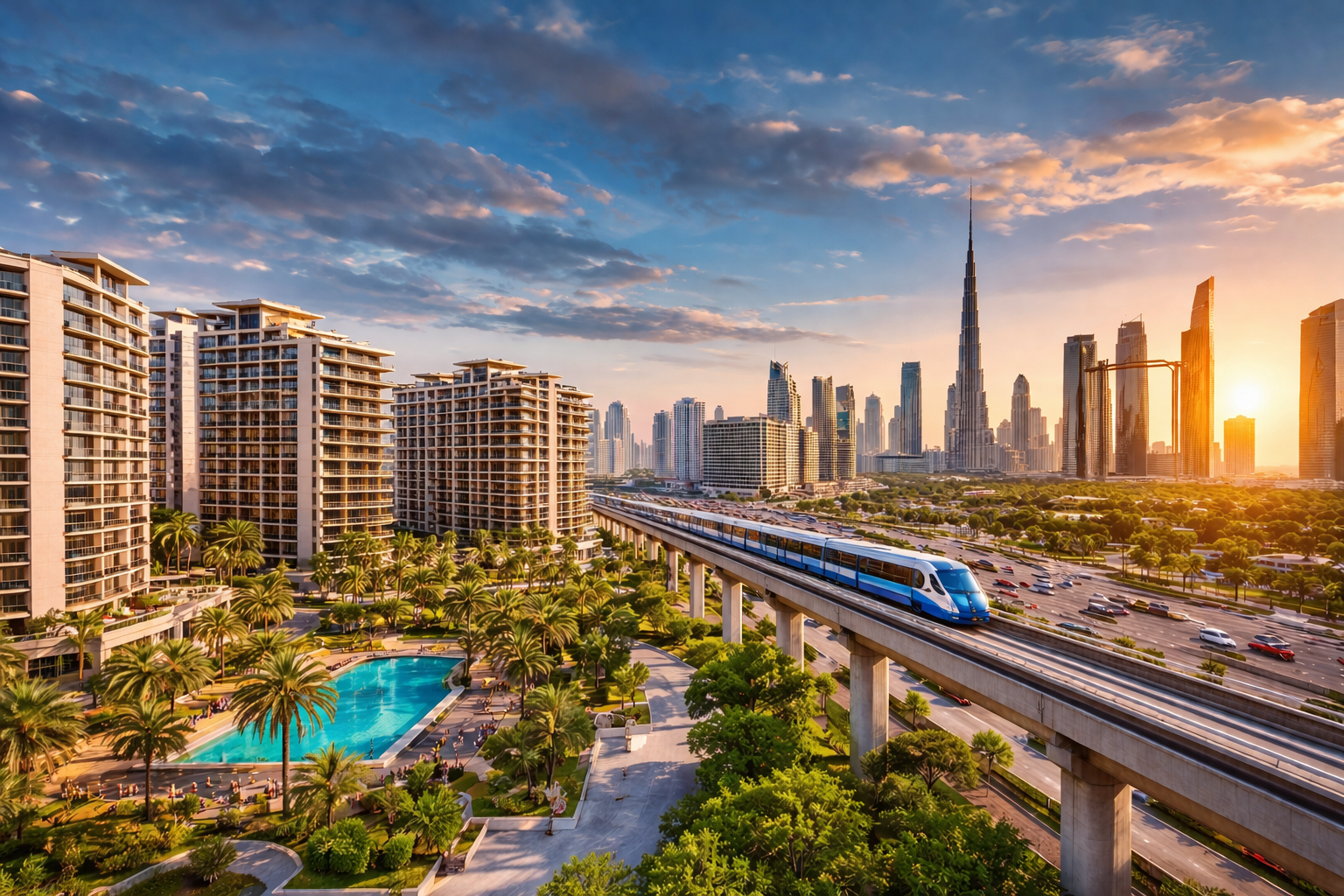
Infrastructure is one of the strongest drivers of real estate growth. In fast-developing markets like the United Arab Emirates, new transport systems, highways, and public facilities are transforming once-quiet areas into thriving residential hubs. For buyers, investors, and developers, understanding how infrastructure shapes property demand is key to making smart decisions.
What Are Infrastructure-Driven Residential Hubs?
Infrastructure-driven residential hubs are communities that grow primarily due to major public and private infrastructure developments. These include:
- Metro lines and rail networks
- Highways and transport corridors
- Airports and logistics hubs
- Schools, hospitals, and retail centers
- Smart city and sustainability projects
These elements improve accessibility, reduce travel time, and increase the overall appeal of an area—leading to higher demand for housing.
Why Infrastructure Matters in Real Estate
Infrastructure does more than improve mobility—it directly impacts property value and livability.
- Better Connectivity Increases Demand: Areas connected by metro or major roads attract more residents because commuting becomes easier. For example, communities along the Dubai Metro have seen consistent demand from both tenants and buyers.
- Property Prices Rise Over Time: When infrastructure projects are announced, property prices often increase gradually. Early investors benefit the most as prices typically rise after completion.
- Supports Long-Term Urban Growth: Infrastructure encourages businesses, schools, and retail to follow. This creates self-sustained communities rather than isolated developments.
Infrastructure Driving Residential Growth in the UAE
Transport Networks
- Metro and Rail Systems: Projects like the Etihad Rail are expected to connect major cities, making suburban living more practical and attractive.
- Highways and Road Expansions: Improved road networks across Dubai and Abu Dhabi reduce travel time and open up new residential zones.
Lifestyle Infrastructure
- Schools and Healthcare: Communities with nearby schools and hospitals see higher occupancy rates. Families prefer areas that offer daily convenience.
- Retail and Entertainment: Malls, parks, and leisure spaces increase the attractiveness of residential hubs and support higher rental yields.
Smart and Sustainable Developments
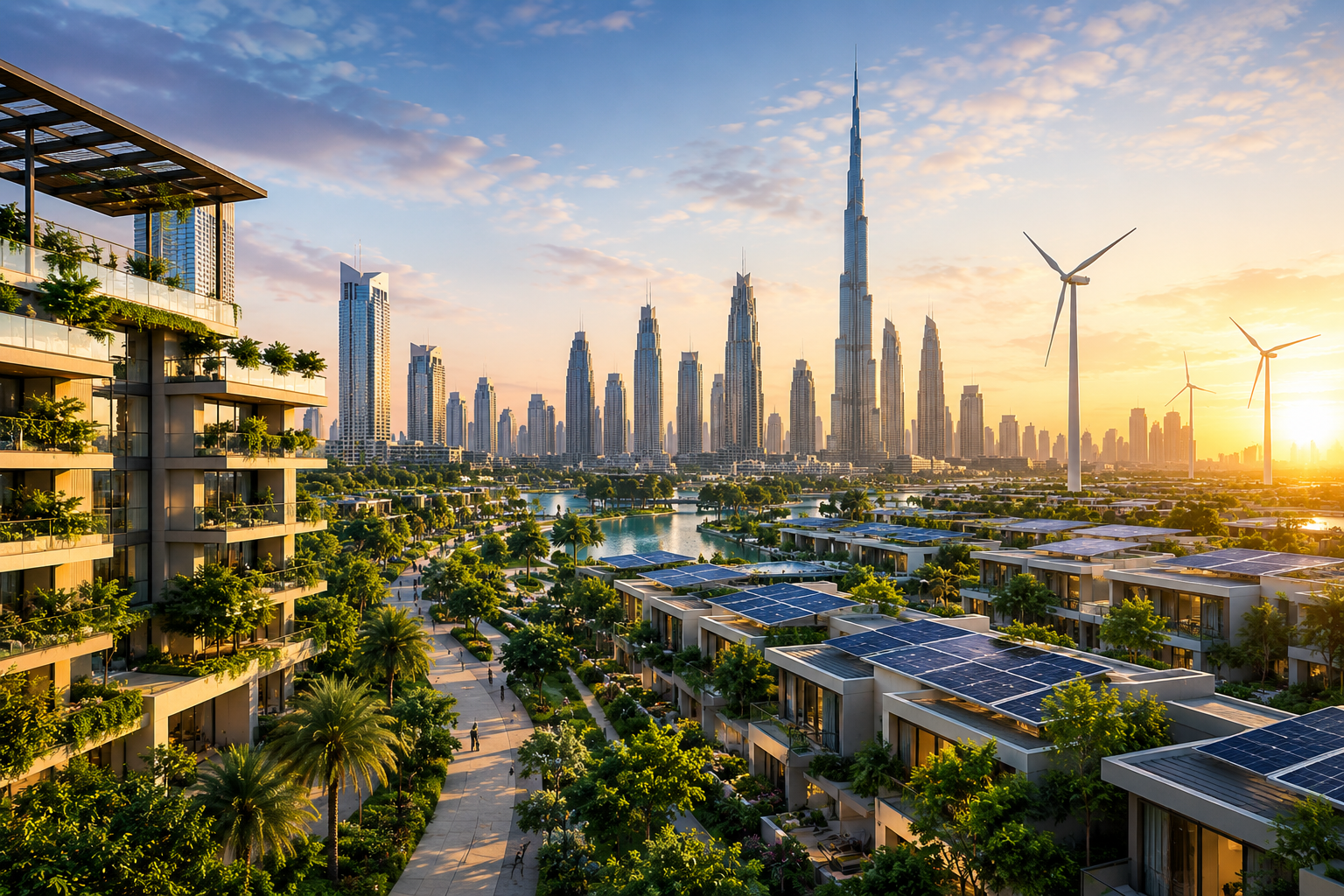
The UAE is investing in smart cities that focus on:
- Energy efficiency
- Green spaces
- Digital infrastructure
- Walkable communities
These features attract modern buyers looking for long-term value and quality living.
.jpg?alt=media&token=13dd81b1-69a5-4b62-b2da-a2559f6c851c)