
PSI Team
BlogPostPage.authorRole
The UAE property market continues to attract regional and international buyers thanks to strong infrastructure, long-term residency options, and diverse investment zones. From established urban centers to fast-growing waterfront districts, investors today are no longer focused on one city alone.
Real estate performance in the UAE is closely linked to:
Understanding how these factors intersect helps investors identify areas with consistent activity rather than short-term hype.
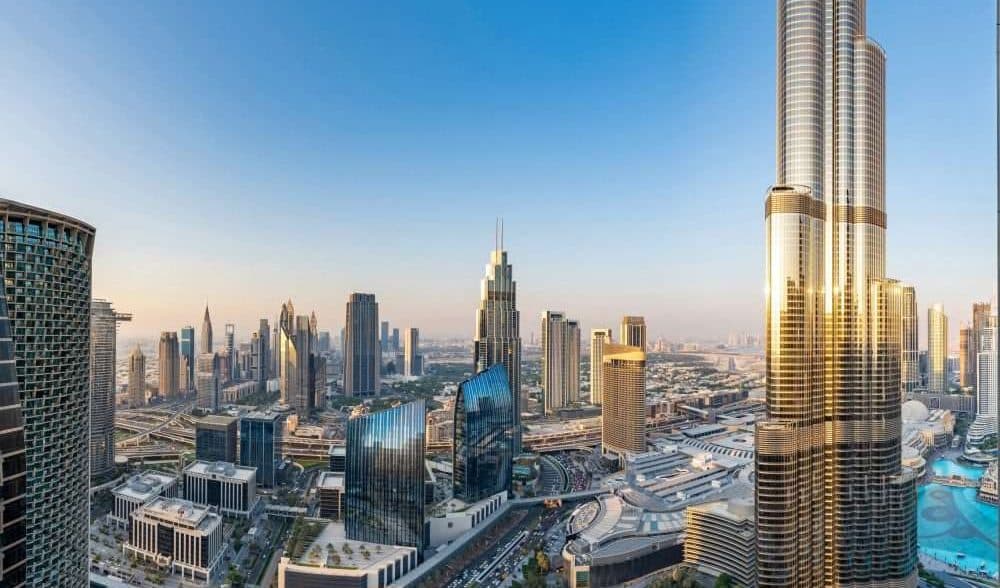
Downtown Dubai remains one of the most recognized addresses in the region. Its proximity to business districts, retail landmarks, and hospitality destinations supports strong rental demand year-round.
Downtown often acts as a benchmark when comparing yields and pricing across Dubai.
Dubai Marina blends residential towers with retail promenades and waterfront living. The area continues to attract tenants seeking urban convenience near the coast.
Marina demand often overlaps with nearby JBR and Bluewaters, creating a connected investment zone.
Positioned between Downtown Dubai and emerging residential corridors, Business Bay has evolved into a mixed-use district with increasing residential interest.
Its growth trajectory closely follows commercial expansion in central Dubai.
JVC has become one of Dubai’s most searched residential areas due to pricing accessibility and growing community services.
JVC often appeals to investors, balancing entry cost with rental stability.
Dubai Creek Harbour represents the city’s shift toward large-scale waterfront master planning.
Creek Harbour is frequently compared with Downtown and Business Bay due to its strategic location.
Yas Island blends residential living with leisure destinations, making it one of Abu Dhabi’s most active investment zones.
Yas Island often anchors broader discussions about Abu Dhabi’s lifestyle-driven real estate growth.
Saadiyat Island is known for its cultural institutions and beachfront communities, attracting both residents and global buyers.
Saadiyat plays a different role than Yas, focusing more on residential positioning and lifestyle appeal.
Reem Island functions as one of Abu Dhabi’s most established residential hubs, offering proximity to the city center.
Reem Island often attracts tenants working in central Abu Dhabi, supporting steady occupancy.
Sharjah Waterfront City has gained attention as buyers explore alternatives to Dubai while staying connected to major highways.
This area reflects shifting buyer behavior toward value-focused coastal communities.
Al Marjan Island continues to grow as a tourism-driven investment destination.
The area complements Dubai and Abu Dhabi by offering a different investment profile within the UAE.
Rather than operating in isolation, these locations influence each other through:
Understanding these relationships helps investors evaluate opportunities beyond city boundaries.
The UAE’s real estate market is not driven by a single city or strategy. Dubai and Abu Dhabi each offer unique advantages, and the strongest results often come from aligning location choice with rental demand, holding period, and budget.
Rather than chasing trends, many investors focus on communities with proven demand, infrastructure support, and clear development plans.
Ready to assess where your budget fits best? Speak with Property Shop Investment (PSI) Today!
BlogPostPage.subscribeSubtitle