
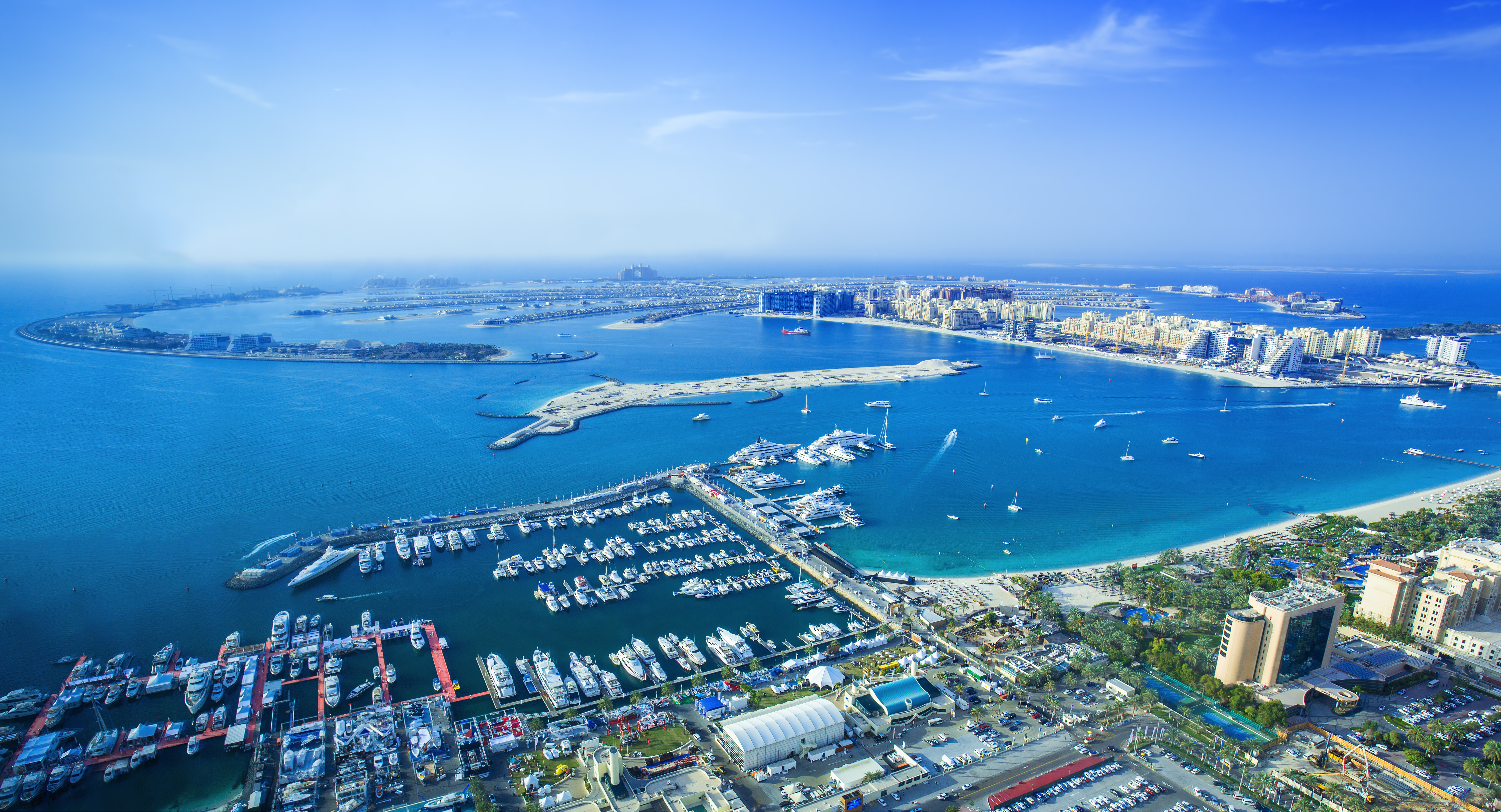
Waterfront developments are no longer just scenic locations for luxury homes or tourism. Today, they are becoming strategic urban hubs that reshape how people live, work, and connect with their environment. Around the world, cities are turning underused or industrial waterfronts into vibrant, mixed-use communities that combine housing, leisure, business, and nature.
This shift is redefining modern urban living and increasing the value of waterfront real estate while improving the quality of life.
What Are Waterfront Developments?
Waterfront developments refer to the planned redevelopment or transformation of land along rivers, lakes, harbors, or coastlines into functional urban spaces.
Traditionally, these areas were used for:
- Shipping and ports
- Warehousing and industry
- Industrial transport zones
Today, they are being redesigned into:
- Residential communities
- Commercial districts
- Public parks and promenades
- Cultural and entertainment spaces
This transformation is part of global urban renewal trends focused on sustainability and livability.
Why Waterfront Developments Are Transforming Communities
Waterfront redevelopment is reshaping cities because it brings together economic growth, lifestyle benefits, and environmental improvements.
Better Urban Living Spaces
Modern waterfronts are designed for comfort and accessibility, offering:
- Walkable neighborhoods
- Open public spaces
- Scenic views and green areas
- Reduced urban congestion
These features improve the overall quality of life and encourage healthier lifestyles.
Economic Growth and Real Estate Value
Waterfront areas often become high-demand real estate zones.
Key impacts include:
- Increased property values
- Growth in tourism and retail businesses
- New job opportunities
- Attraction of foreign and local investors
Studies show waterfront regeneration often boosts investment and revitalizes declining urban areas.
Mixed-Use Community Design
One of the strongest trends in waterfront development is mixed-use planning, where people can live, work, and relax in the same area.
Typical features include:
- Residential apartments and villas
- Office spaces and business hubs
- Cafés, restaurants, and retail zones
- Parks, waterfront walkways, and marinas
This creates self-sustaining communities instead of isolated districts.
Sustainability and Climate Adaptation
Modern waterfront projects are designed with climate resilience in mind.
Developers now focus on:
- Flood protection systems
- Green infrastructure
- Smart water management
- Eco-friendly construction materials
This is important as many global cities face rising sea levels and flooding risks.