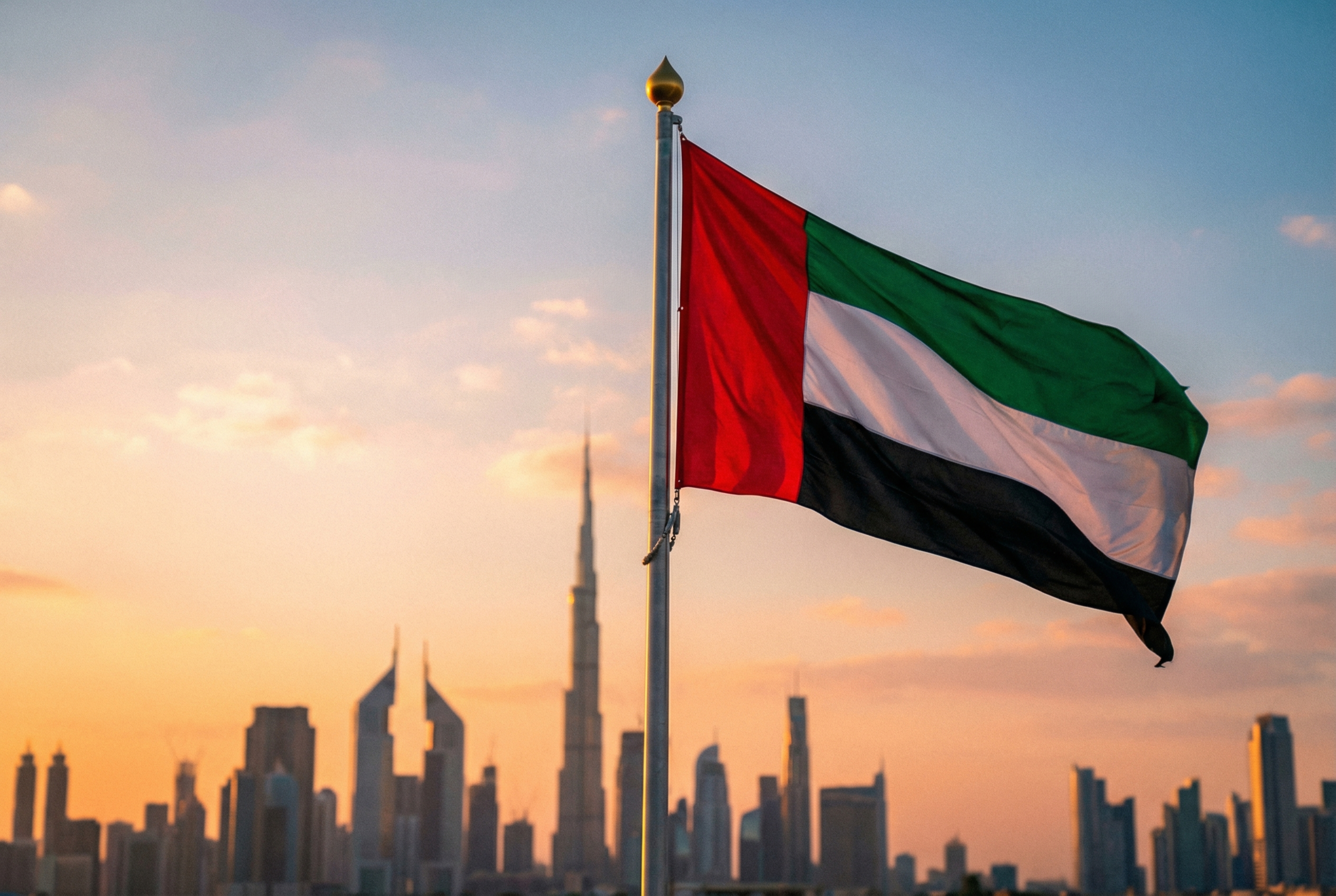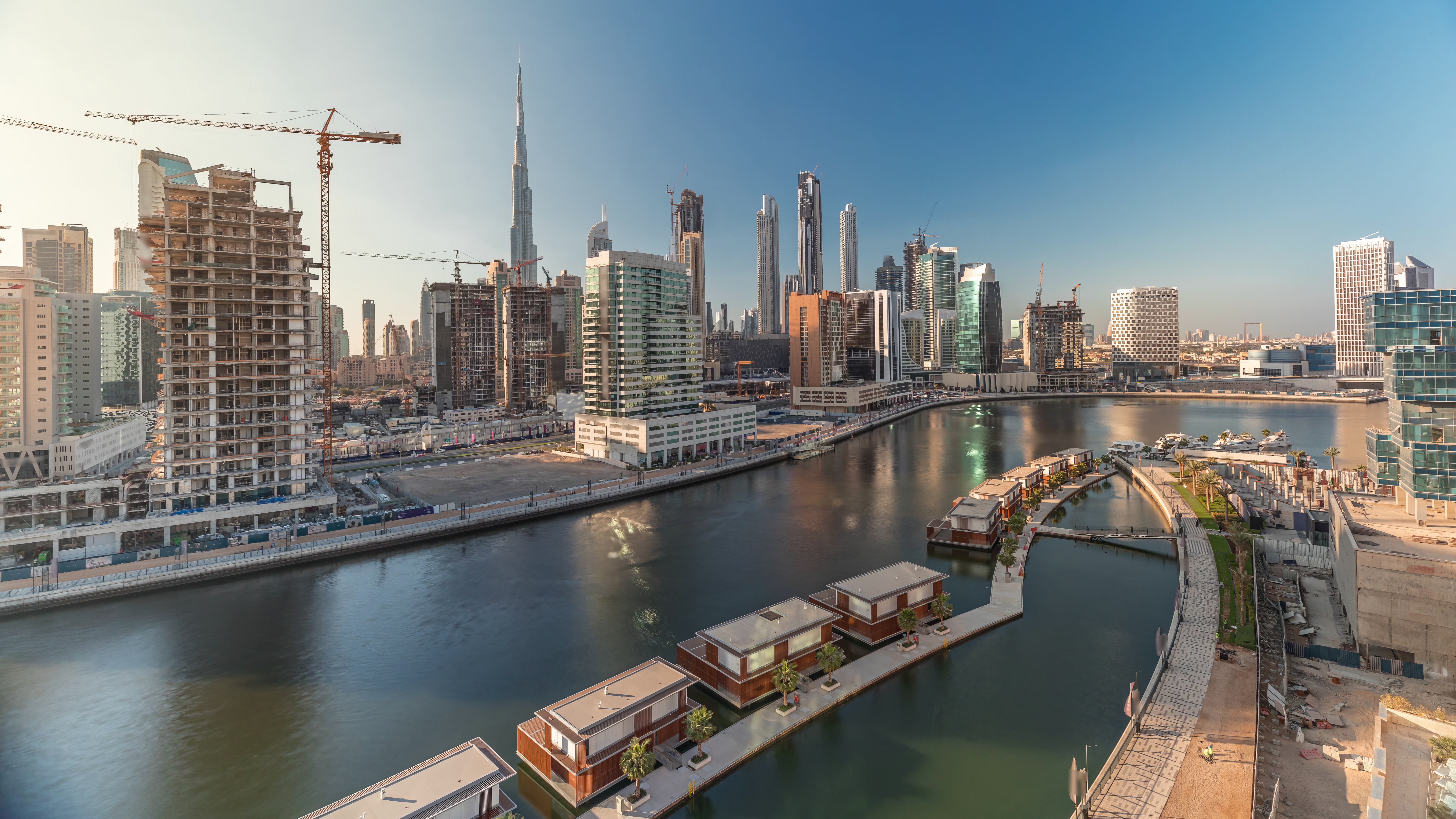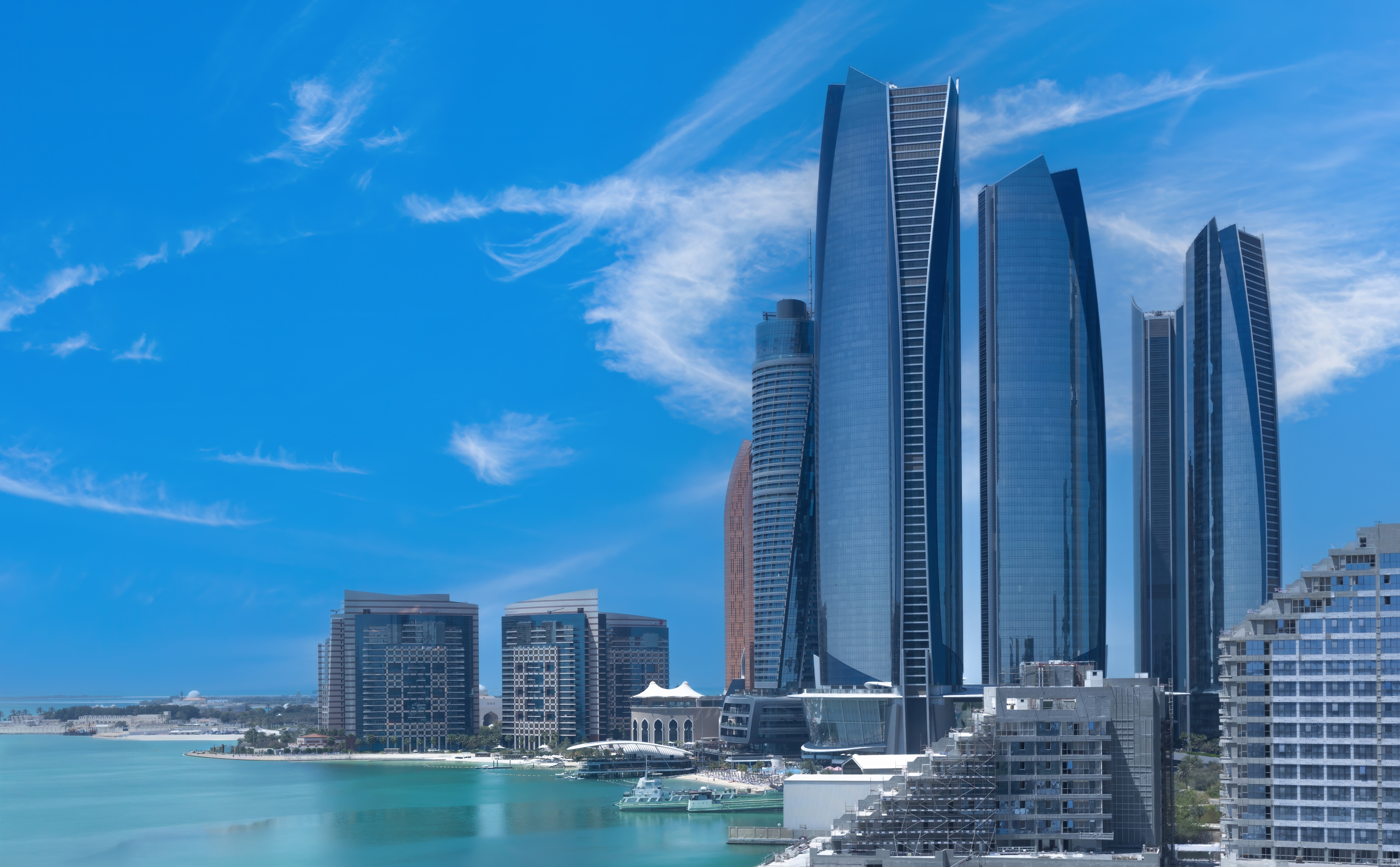
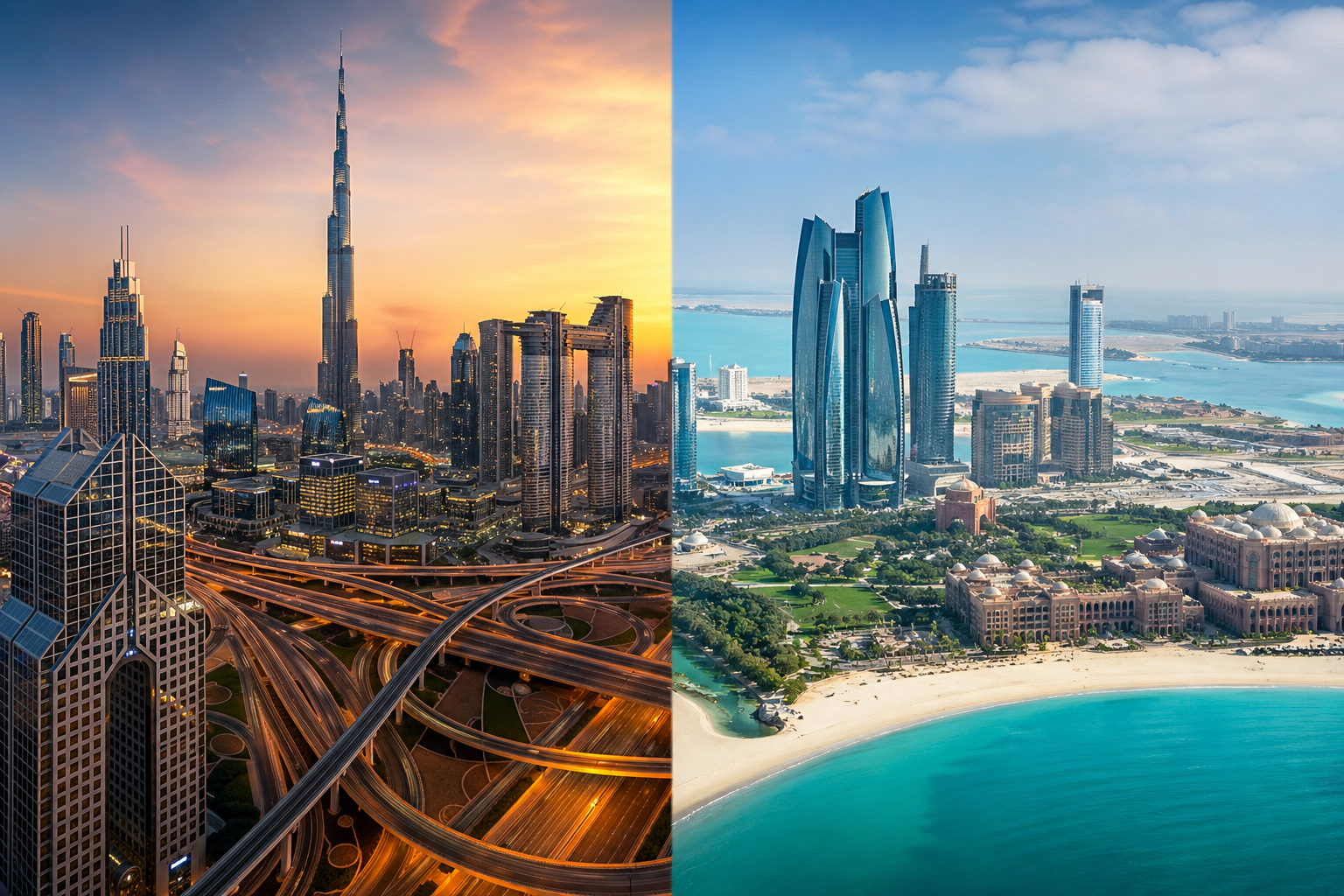
For institutional investors eyeing the Middle East, the United Arab Emirates (UAE) is no longer a single-market destination. As of 2026, the distinction between its two primary powerhouses—Abu Dhabi and Dubai—has matured into two separate, sophisticated asset allocation strategies.
While Dubai remains a high-velocity hub for global trade and liquid assets, Abu Dhabi has solidified its position as a sovereign-backed bastion of stability and long-term capital preservation. This guide breaks down the core differences to help you align your capital with the right emirate.
The Economic DNA: Velocity vs. Stability
The choice between these two cities depends entirely on your portfolio’s mandate. In 2026, the economic engines driving each market are distinct:
- Dubai: The Growth Engine. Driven by a diversified mix of international tourism, finance, and logistics, Dubai’s economy is designed for high-frequency transactions. It is the ideal choice for investors seeking aggressive capital growth and high rental yields.
- Abu Dhabi: The Sovereign Anchor. Built on a foundation of massive sovereign wealth and state-led diversification, Abu Dhabi offers a "sovereign guarantee" of stability. It focuses on sustainable, long-term value, making it the preferred choice for risk-averse institutional capital.
Financial Hubs: ADGM vs. DIFC
Institutional presence is typically anchored in one of two world-class financial free zones. Both operate under English Common Law, yet they serve different strategic purposes.
Dubai International Financial Centre (DIFC)
The DIFC has seen a massive surge in 2026, attracting 775 new companies in the first quarter alone—a 62% increase from the previous year. It is the primary regional base for:
- Hedge funds and active asset managers.
- Family offices looking for high-liquidity environments.
- Global fintech and innovation-led firms.
Abu Dhabi Global Market (ADGM)
The ADGM is increasingly positioned as a "capital importer." In 2026, it is the center for:
- Large-scale sovereign wealth fund (SWF) collaborations.
- Alternative assets, including private equity and infrastructure funds.
- AI-driven financial services, following Abu Dhabi’s $2.3 trillion AI wealth strategy.