The UAE's real estate sector is expected to reach an estimated AED 2.98 trillion by 2031, reinforcing the country's position as one of the world's most attractive destinations for property investment, according to recent projections from Statista Market Insights. The forecast reflects growing investor confidence, strong population growth, expanding foreign direct investment (FDI), and continued demand across residential, commercial, and mixed-use developments.
The projected market value, equivalent to approximately USD 811 billion, highlights the UAE's ongoing transformation into a global hub for business, tourism, innovation, and long-term residency. As the nation advances its economic diversification strategies, real estate continues to play a central role in attracting international capital and supporting sustainable growth.
What Is Driving the UAE Real Estate Boom?
Several structural factors are contributing to the sector's long-term expansion.
- Population Growth and Inward Migration: The UAE continues to attract professionals, entrepreneurs, high-net-worth individuals, and skilled workers from around the world. Population growth has increased demand for housing, retail spaces, offices, and community infrastructure across major emirates, particularly Dubai and Abu Dhabi.
- Foreign Investment Remains Strong: Investor-friendly policies, long-term residency programs, 100% foreign ownership in selected sectors, and the popularity of the Golden Visa have significantly strengthened international demand for UAE property. Buyers from Europe, Asia, the Middle East, and emerging markets continue to view the UAE as a stable destination for wealth preservation and portfolio diversification.
- Infrastructure and Mega Projects: Ongoing investments in transportation, tourism, cultural destinations, and smart city initiatives continue to support real estate growth. Major master-planned communities, waterfront developments, branded residences, and mixed-use districts are reshaping urban landscapes across the country.
Dubai Continues to Lead Market Activity
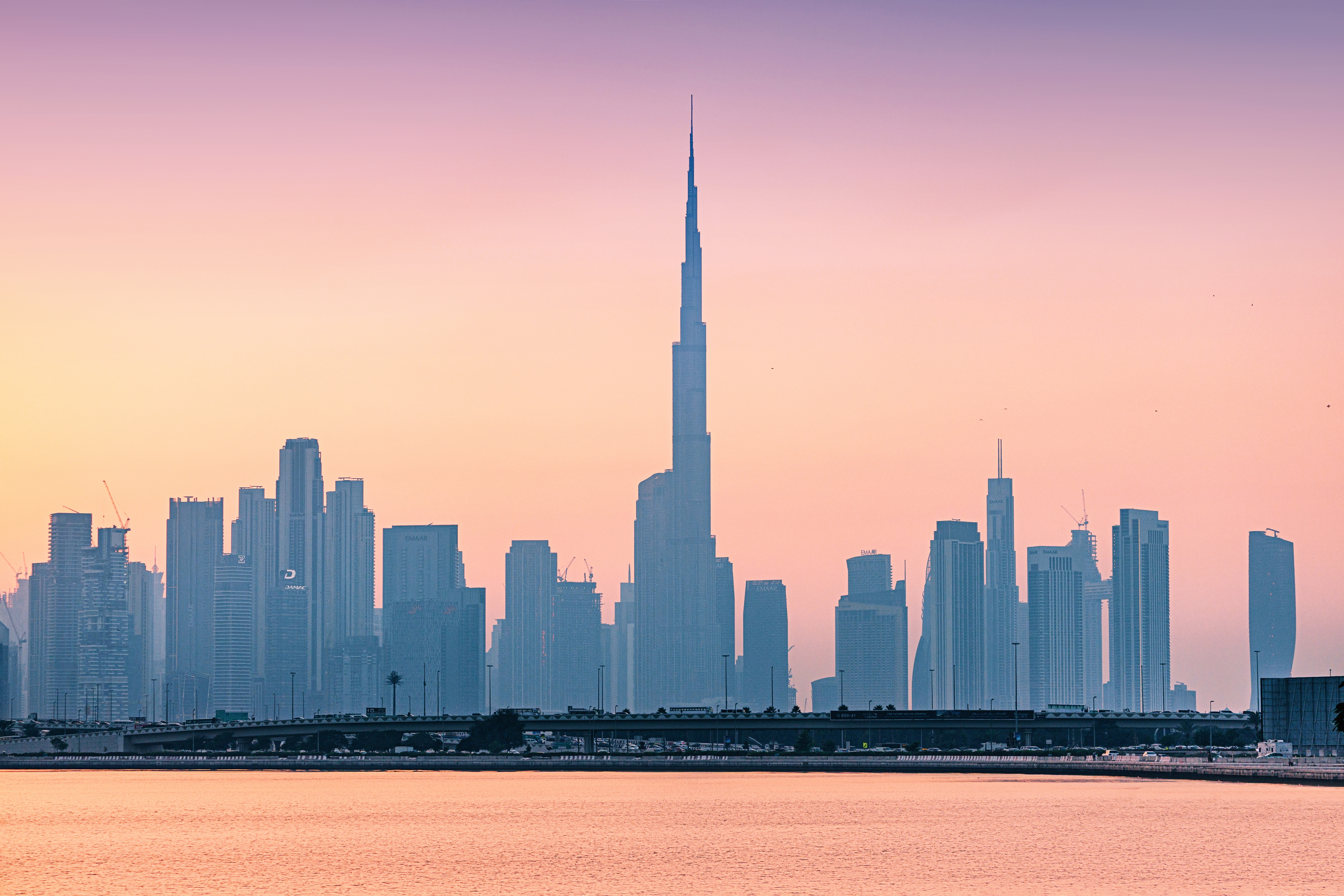
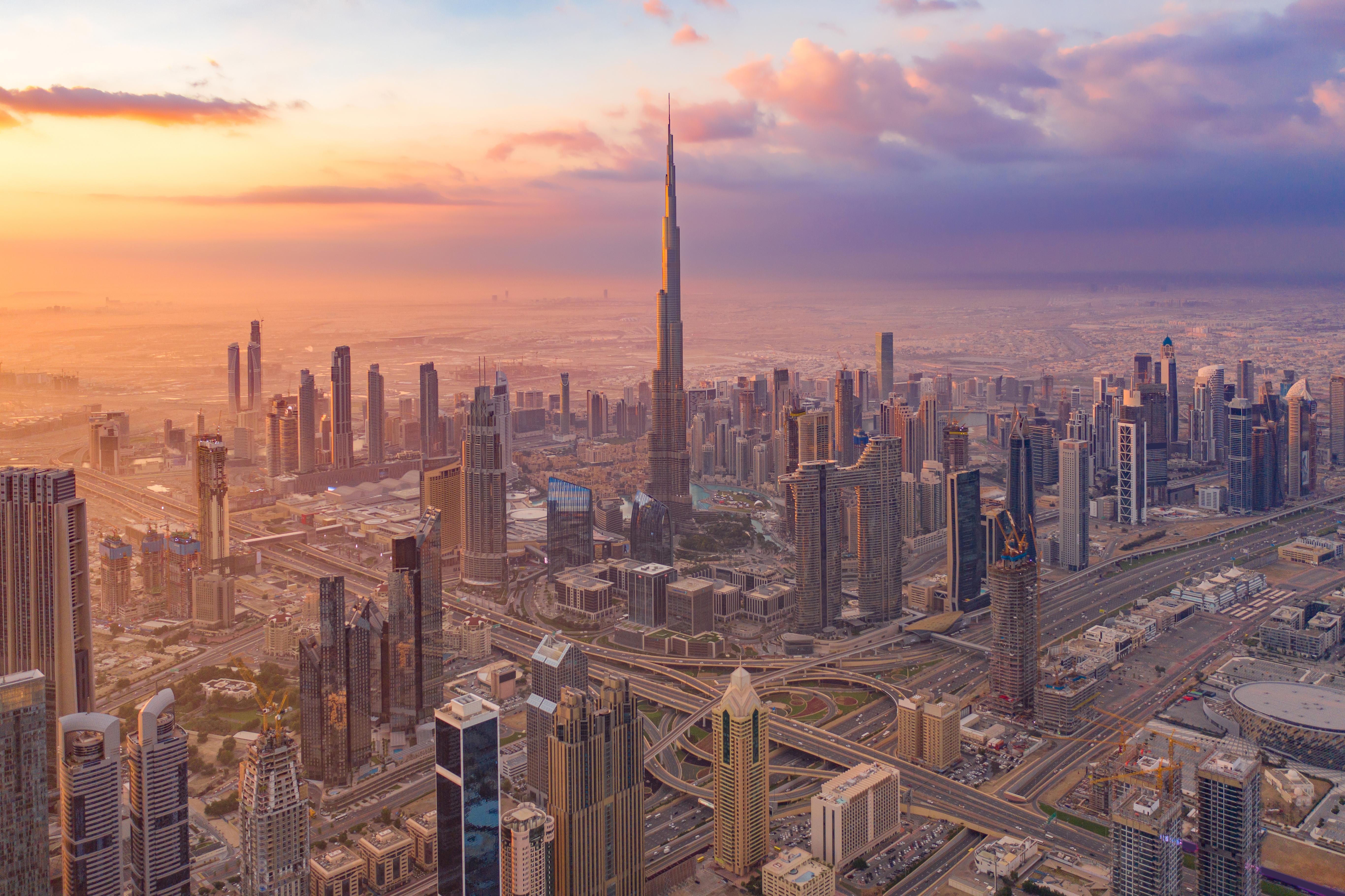
Dubai remains the dominant force within the UAE property market. Recent market research indicates the emirate accounts for more than half of the country's real estate activity, driven by strong off-plan sales, luxury developments, and international investor demand.
The city has benefited from:
- High rental yields compared to many global markets
- Strong tourism growth
- Continued demand for luxury and branded residences
- Large-scale infrastructure investments
- Growing appeal among digital entrepreneurs and remote workers
Industry data also shows Dubai recorded hundreds of billions of dirhams in property transactions during recent years, demonstrating the depth and liquidity of its market.
Abu Dhabi Emerging as a Major Investment Destination
While Dubai remains the largest market, Abu Dhabi is increasingly attracting investors seeking long-term growth opportunities.
Government-led initiatives, foreign ownership reforms, major cultural developments, and large-scale projects in areas such as Saadiyat Island and Yas Island have elevated the capital's profile among both regional and international investors. Transaction volumes and foreign investment activity have shown significant growth in recent years.
Analysts increasingly view Abu Dhabi as one of the fastest-growing real estate markets in the Gulf region, supported by long-term economic planning and a focus on sustainable urban development.